
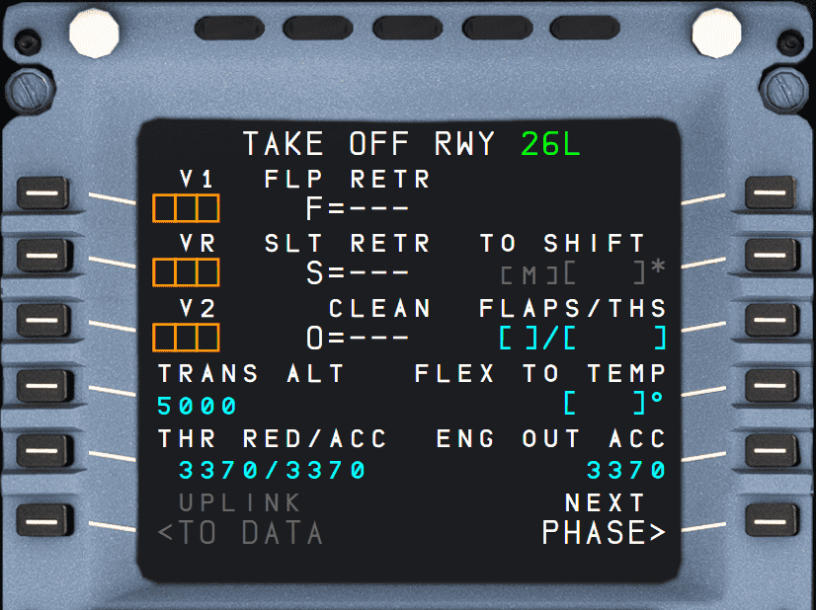
Regulations perspective :
EASA ( European union aviation safety agency ) and FAA ( Federal aviation administration ) regulate and govern the setting of thrust reduction and acceleration altitude,both allow for operator specific procedures within certain safety parameters .
EASA Guidline :
EASA OPS (CAT.POL.A200 and AMC /GM to part -cat ) key point :
Thrust reduction Altitude :
1-It must comply with noise abatement procedures if required ( NADAP 1 OR NADAP 2 ).
2-Set at or above 400 feet AGL unless otherwise specified by aircraft manufacturer guidelines or specific obstacle clearance requirements.
Acceleration Altitude :
1-For airport’s with a specific noise abatement procedures, operators often adjust the acceleration altitude ( NADAP1 OR NADAP 2 ).
2-Commonly set at 1000 feet AGL as standard , but it can vary depending on obstacle clearance,terrain and airport-specific procedures.
FAA Guidelines :
As under 14 CFR part 91,121 and 135 the FAA does not explicitly define a regulatory thrust reduction or acceleration altitude but instead relies on manufacturer recommendations ,obstacle clearance requirements and operators SOPs.
Thrust reduction altitude:
1-follows manufacturer guidelines to be 400 feet or higher to ensure compliance with performance requirements.
Acceleration altitude :
Often set at 1000 feet AGL as default , it may be adjusted based on :
1- Noise abasement procedures .
2- Obstacle clearance altitude .
Is it correct to set the acceleration altitude lower than the thrust reduction altitude?
Answer is NO , this is based on both a manufacturer recommendations and standard operating procedures
REASONS
1-AIRBUS Guidance:
Airbus standard procedures specify that the thrust reduction altitude is first ,and acceleration altitude follows after typically at the same altitude or higher .
2-Safety consideration:
prolonged operations at takeoff thrust could lead to higher engine temperatures,potentially reducing margins for engine reliability in abnormal situations .
to avoid this issues thrust reduction and acceleration altitude should be carefully set according to SOP, Performance calculations and regulation.
3-Thrust reduction :
-the thrust reduction altitude marks the point where climb thrust is set from takeoff thrust to climb power which provides more efficient engine operation .
– prolonged climb in takeoff thrust beyond the typical thrust reduction altitude increase engine wear and fuel consumption,potentially reducing engine lifespan .
-Acceleration begins after thrust reduction to ensure sufficient climb gradient is maintained during the initial phase of flight .
4-Aircraft configurations and pilot work load:
pilots my need to intervene to manage the aircraft`s configuration and speed below the thrust reduction Acceleration as acceleration involves retracting flaps , slats and increasing the speed , which requires sufficient thrust to ensure safe performance .
5-Noise abatement NON-compliance :
operating in a noise -sensitive area maintaining takeoff thrust beyond the designated altitude might violate noise abatement procedures, potentially resulting in fines or operational restrictions.
thanks
CAPT/ AHMED SHEBL
FLIGHT INSTRUCTOR AND AIRLINE PILOT
Discover more from Egyptianaviators
Subscribe to get the latest posts sent to your email.
 Egyptianaviators